Discussing storytelling from a methodological point of view is not sufficient. The ethics of storytelling are also fundamental. Especially when disclosing information about individuals, storytelling gets personal and potentially sensitive. An explicit consent by the person whose story is published is necessary and is part of a broader code of ethics. Ethical storytelling should be accurate and fair. The author should be honest, and courageous in gathering, reporting and interpreting information. Ethical authors treat sources, subjects, colleagues, and members of the public respectfully, and further, the author needs to report independently and take responsibility for his work.
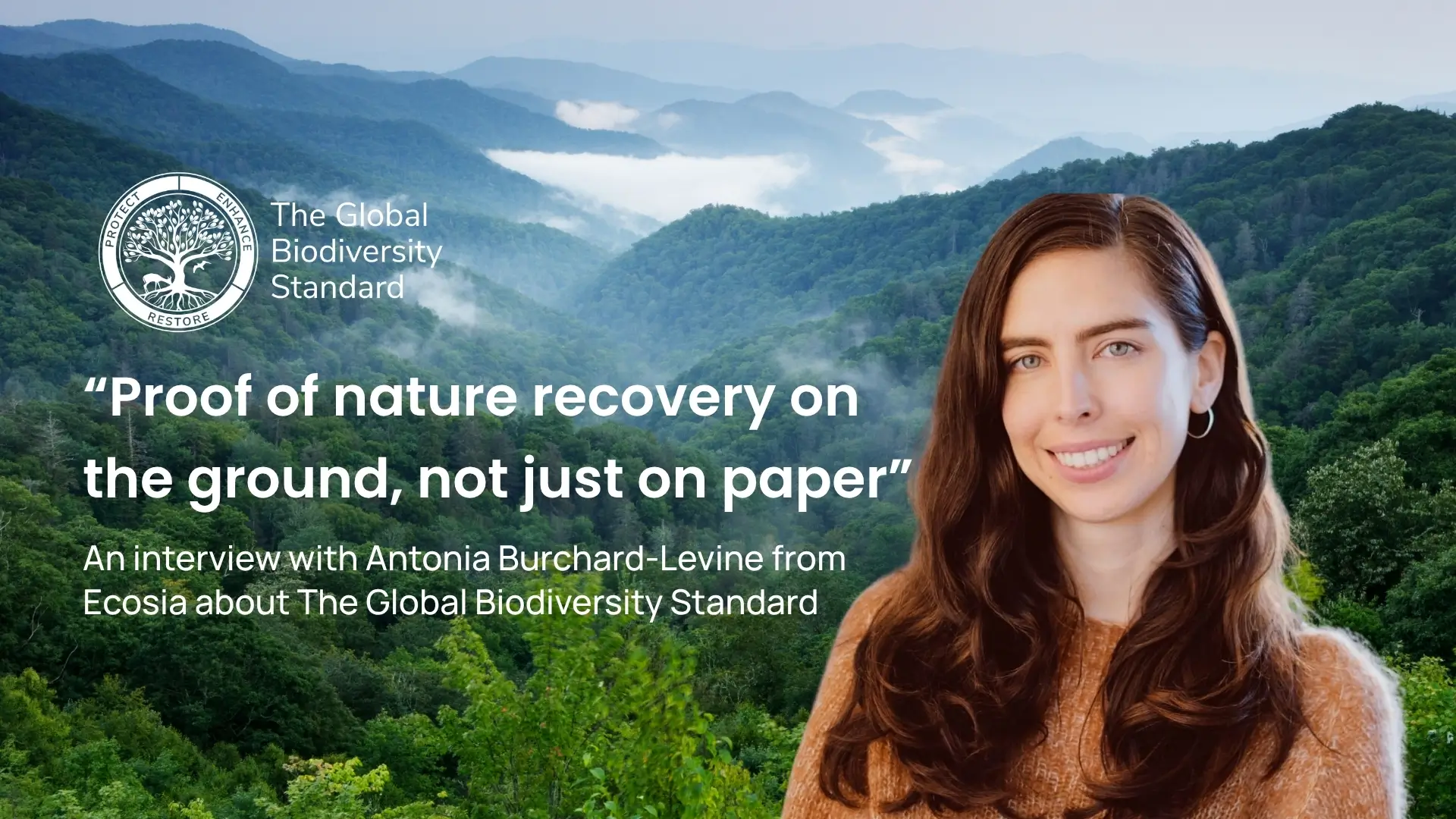
The Global Biodiversity Standard (TGBS): How It Verifies Biodiversity Recovery
What makes The Global Biodiversity Standard different? Ecosia’s Antonia Burchard-Levine explains how TGBS verifies real, site-based biodiversity recovery.