This project is part of the explorer.land project stage at NOAH Zurich (6-7th Dec) that aims to facilitate investments & funding towards impactful restoration and conservation projects.

Investment need: US$12 million
Forest protection: 1 million hectares
Social impact: income generation for local communities
About
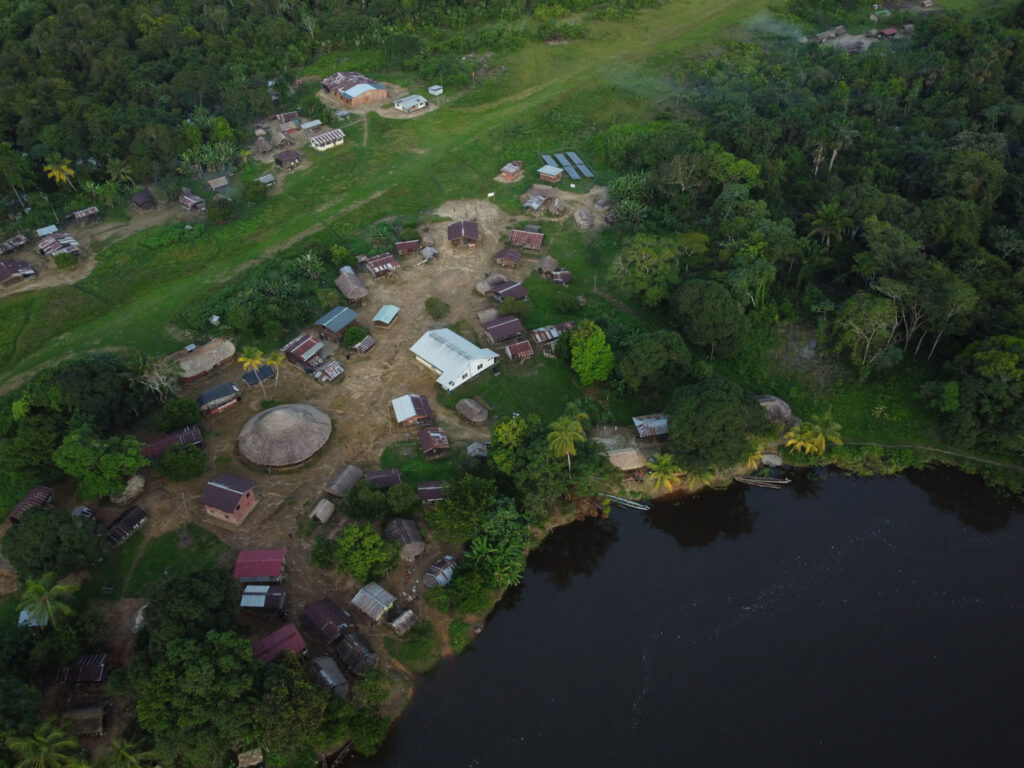
Southern Suriname consists of pristine tropical rainforests that also source the rivers flowing to the coast. Trio and Wajana indigenous communities reside in the region, having preserved the forest for millennia. However, pressure from logging and gold mining is growing, endangering both the ecosystems and people’s way of life. Communities are also increasingly vulnerable to the effects of climate change. By implementing sustainable economic activities that diversify communities’ sources of income and means of subsistence, we aim to increase their resilience, as well as the resilience of the forest ecosystems.
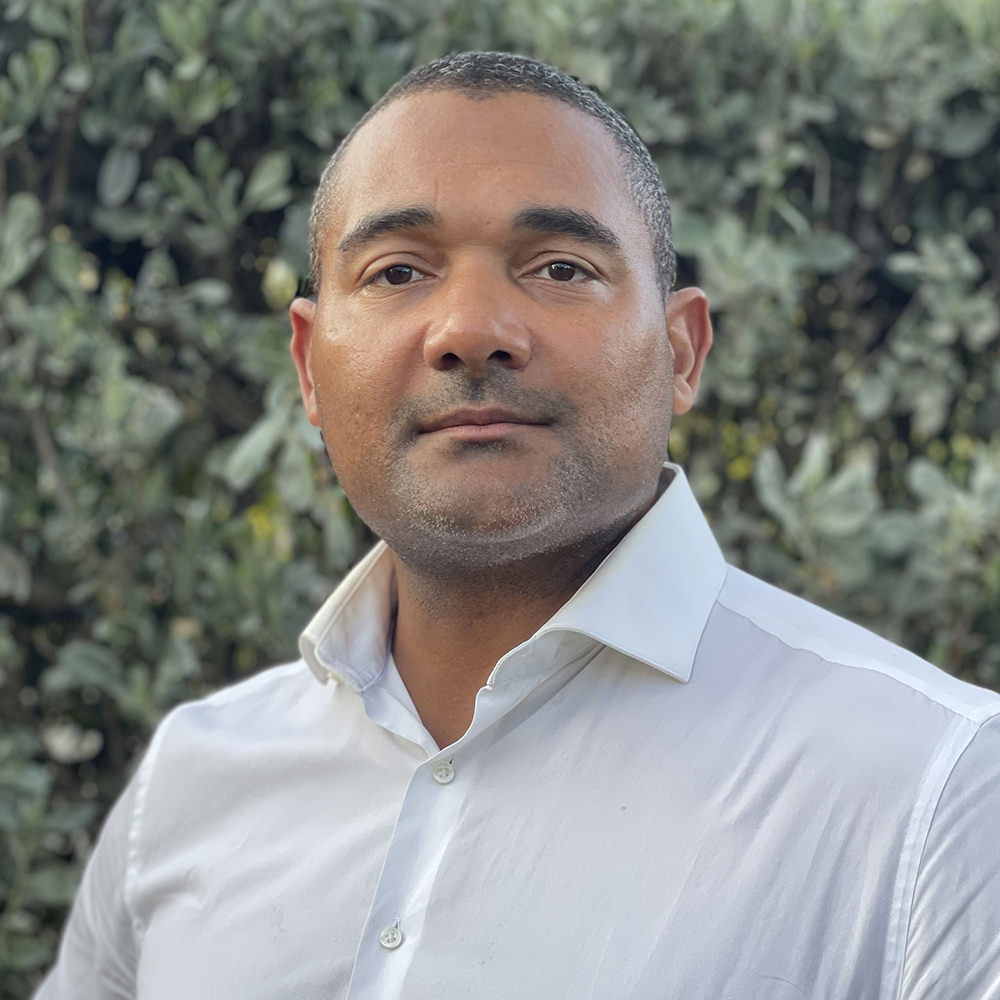
Speaker: John Goedschalk
Executive Director, Conservation International Suriname
Working collaboratively with local communities is crucial in bringing people and nature together because our mission at CI-S is to protect Suriname’s diverse ecosystems and rich biodiversity for the benefit of both the present and future generations.
Conservation International Suriname (CI-S) is currently co-developing an ornamental fisheries project together with the community of Tepu. This livelihood activity has the potential to be a sizable source of revenue for the community – a 2020 inventory revealed that there are at least 30 species with economic potential for ornamental fisheries.


Investments for scaling up
To ensure that the project is sustainable and that the forest, river, and fish populations remain healthy, this project will involve conservation actions in an area of at least 430,000 hectares. Such actions include the exclusion of logging and mining, proper waste management, and fish population monitoring. A conservation agreement will be used to settle these conservation actions and other arrangements that are crucial to the project’s sustainability.
The overall goal is to draw lessons from the Tepu project and spread them to additional South Suriname villages. Over the next five years, a total of USD 2.85 million will be needed to conserve at least three million hectares of land and improve the lives of at least 2,000 indigenous community members. The expected cost of the project in Tepu is $250,000. The conservation agreement is expected to cost $150,000 a year to maintain for the first two years. Following that, costs should be lower (USD 75,000) due to project revenues. Approximately USD 750,000 will be needed during the next five years to establish comparable initiatives in three additional communities, and USD 2.1 million will be required to maintain the conservation agreements in the four villages.