Back from Gutes Morgen Festival in Bochum
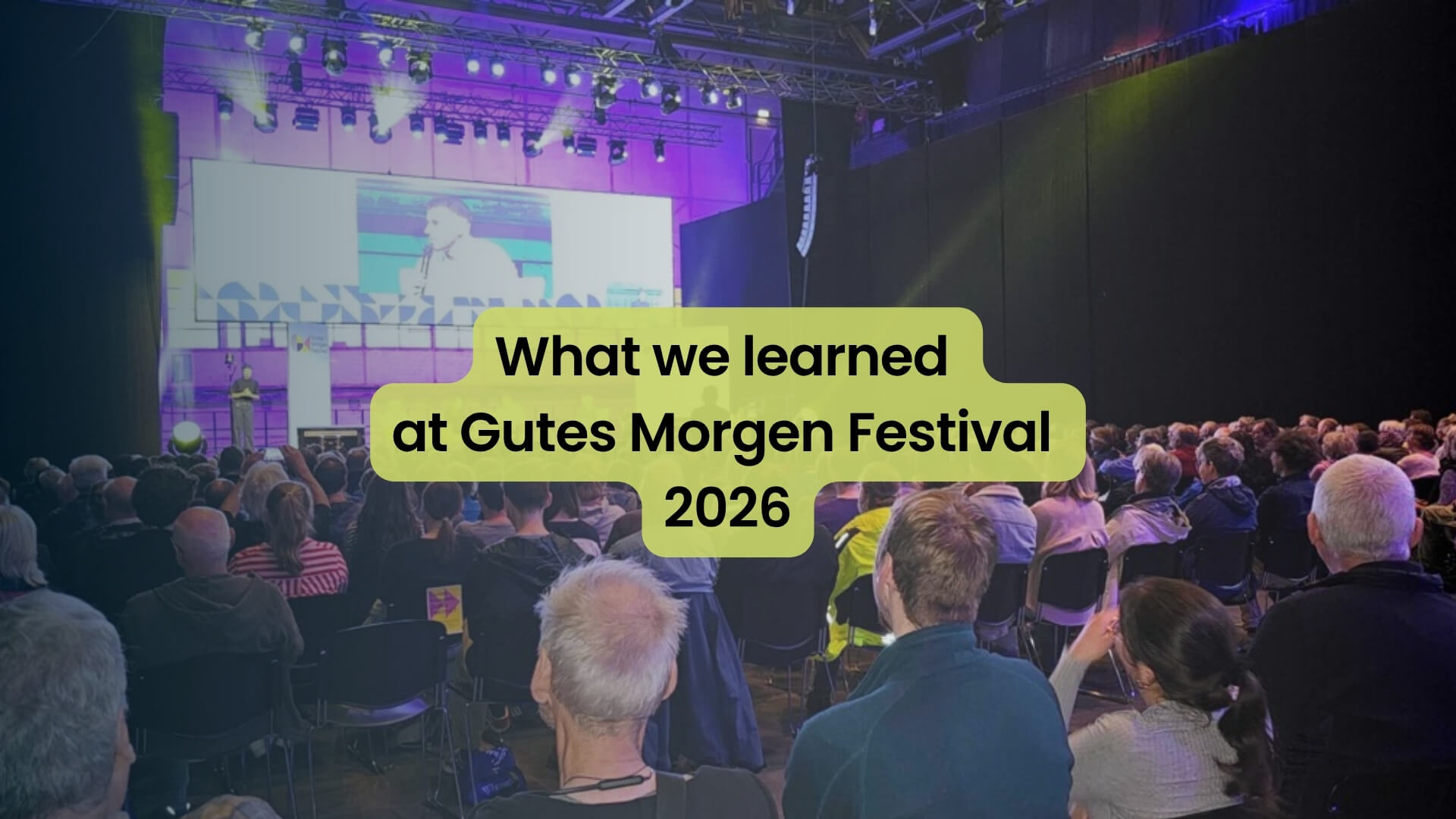
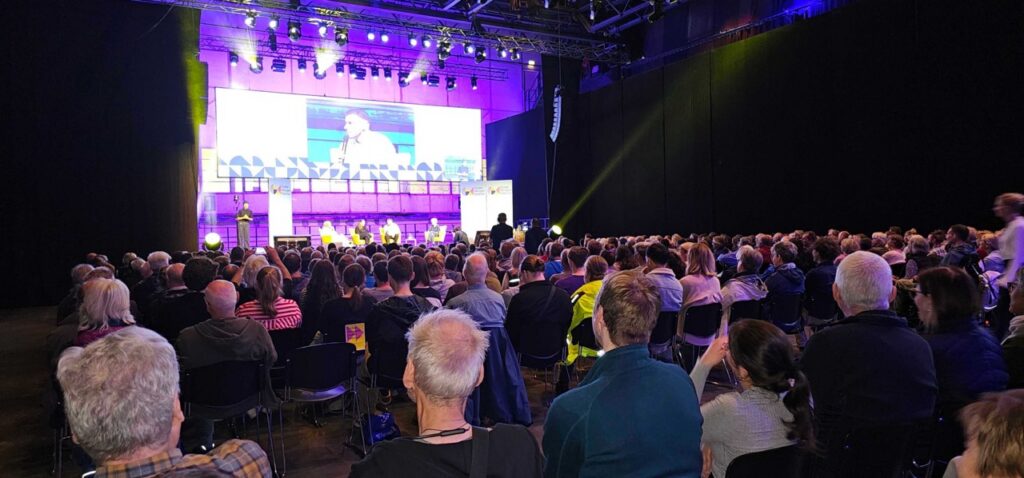
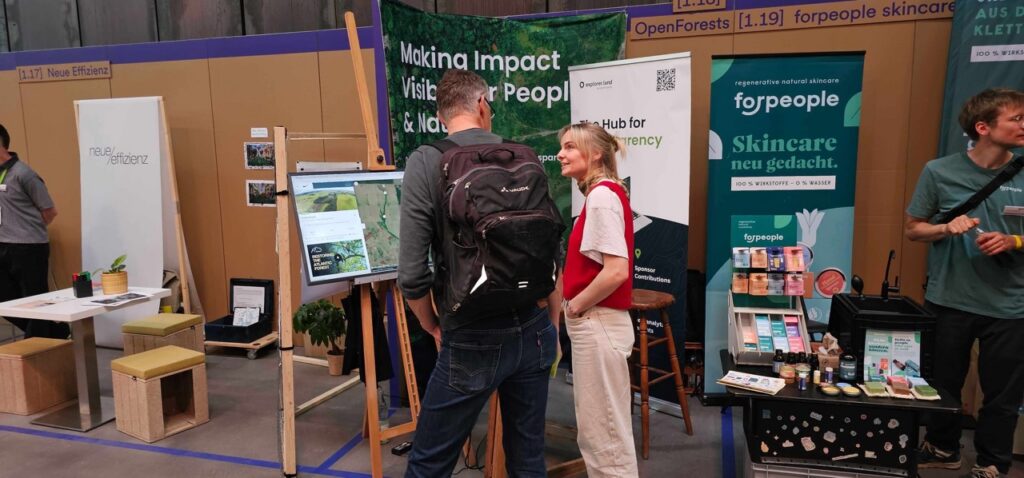
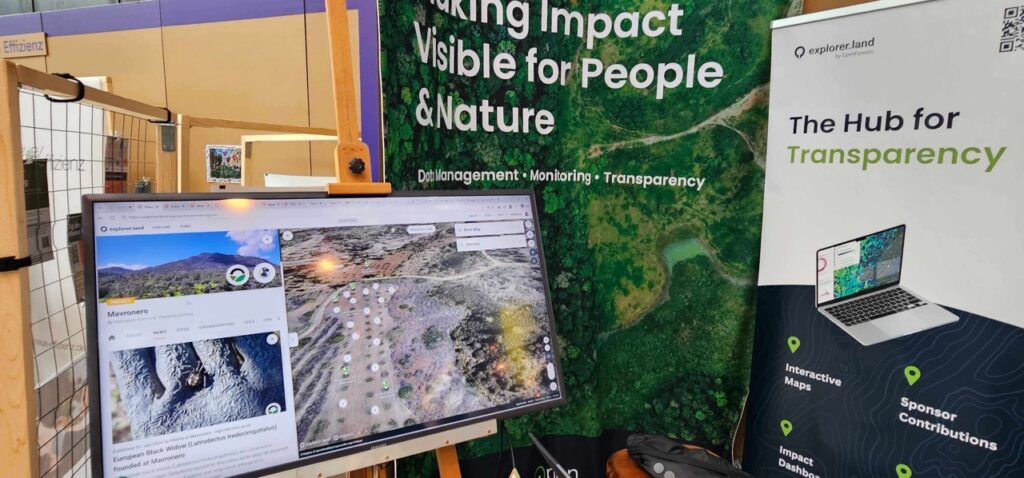
Over the weekend, the OpenForests team joined the Gutes Morgen Festival in Bochum, a gathering of people, organisations, and initiatives committed to actively shaping a better tomorrow.
The festival brought together conversations around sustainability, social change, climate action, finance, community, and practical solutions for the future. For us, it was a valuable opportunity to speak with people who care deeply about nature, but who also ask important questions:
- How do we know whether a nature project is really working?
- How can restoration and conservation initiatives communicate impact in a credible way?
- And how can funders, companies, and the wider public better understand what is actually happening on the ground?
After many inspiring conversations at our stand, one message became very clear: people want more transparency in nature-based projects.
Not as a marketing claim. Not as a reporting formality. But as a foundation for trust.
Transparency is no longer optional for nature conservation
One of the strongest themes we heard at Gutes Morgen Festival was the need for radical transparency.
For nature conservation, ecosystem restoration, and reforestation projects, transparency is becoming essential. Funders, partners, companies, and citizens increasingly want to understand where projects are located, what activities are taking place, what progress is being made, and what challenges remain.
This shift is important.
For a long time, nature projects have often been communicated through broad numbers: hectares restored, trees planted, communities reached, or tonnes of carbon expected. These figures can be useful, but they rarely tell the full story.
A restoration project is not only a number. It is a living landscape. It includes people, ecosystems, uncertainty, learning, setbacks, and change over time.
That is why transparency needs to go beyond polished success stories. It should help project teams show their work honestly: the activities they implement, the data they collect, the progress they observe, and the lessons they learn along the way.
For OpenForests, this is at the heart of our work: helping nature-based projects make their impact visible, understandable, and trustworthy.
People want to see what is happening on the ground
The second major insight from the festival was the growing interest in “eyes on the ground.”
People do not only want abstract impact claims. They want to see the reality behind them.
They want to know:
- Where is the project located?
- What does the landscape look like?
- Who is involved locally?
- What activities are being implemented?
- What data is being monitored?
- What stories are emerging from the field?
- And what has actually changed over time?
This interest is very encouraging. It shows that people are becoming more aware of the difference between intention and impact.
In nature restoration, this distinction matters. A project may have strong intentions, but real impact depends on what happens in the landscape: whether vegetation recovers, whether biodiversity returns, whether soil health improves, whether water cycles are strengthened, and whether local communities benefit in meaningful ways.
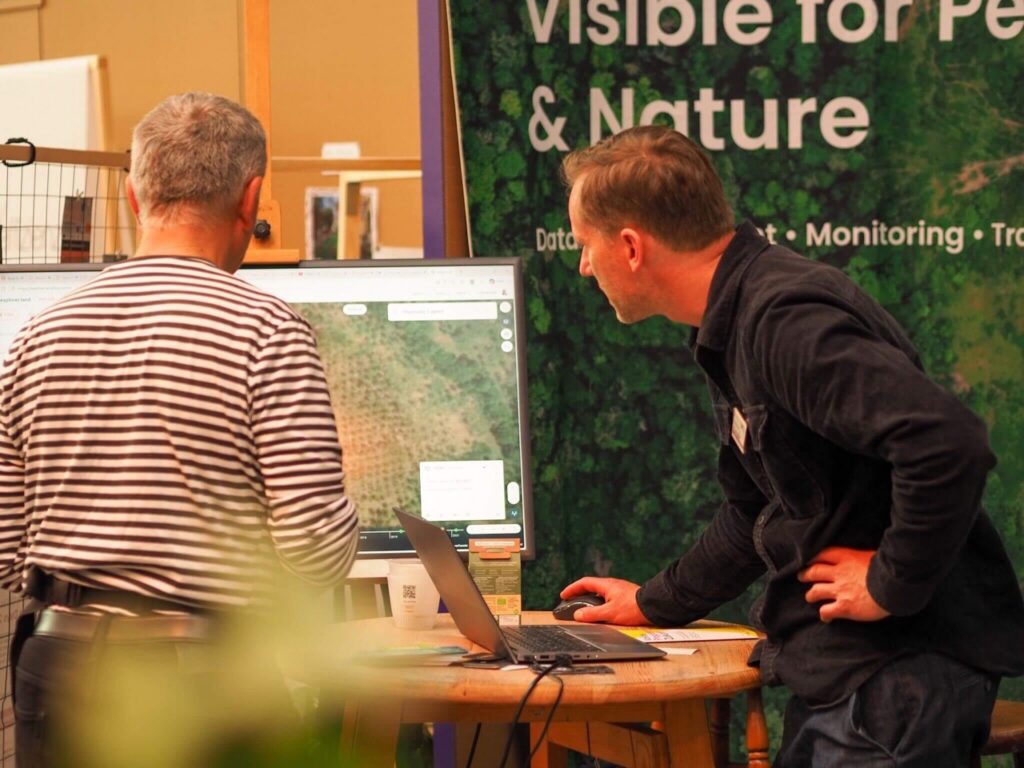
To communicate this, projects need more than a static report. They need ways to connect maps, field updates, remote sensing data, indicators, photos, videos, and local stories into one transparent picture.
This is where digital tools can support better communication and better decision-making.
Nature-based solutions need better impact monitoring
Many of our conversations at Gutes Morgen Festival touched on a larger question: how can nature-based solutions prove and improve their impact?
This is one of the biggest challenges in the sector.
Nature-based solutions are complex. They work across ecosystems, communities, climate, biodiversity, and livelihoods. Their results are not always immediate, and they cannot always be reduced to one simple metric.
That is why impact monitoring needs to become more structured and more transparent.
Good impact monitoring helps project teams move beyond outputs, such as the number of trees planted, and towards outcomes and impact, such as ecosystem recovery, improved habitat quality, increased vegetation cover, stronger community participation, or better long-term resilience.
It also helps funders and partners understand the logic of a project: what activities are being implemented, what changes are expected, which indicators are being tracked, and how evidence is collected over time.
At OpenForests, we support organisations in building this connection between project implementation, monitoring, and communication. Through interactive maps, impact dashboards, geospatial data, and storytelling tools, we help nature projects show not only what they are doing, but why it matters.
Data and stories belong together
Another important takeaway from the festival was that people respond strongly to the combination of data and human stories.
Data brings structure, evidence, and accountability.
Stories bring context, meaning, and connection.
Nature projects need both.
A satellite image can show changes in vegetation over time. A field photo can show the reality on the ground. A project update can explain what happened during a planting season. A local interview can reveal how restoration activities affect people living in the landscape.
When these elements are brought together, impact becomes easier to understand.
This is especially important for funders, companies, and partners who may not be able to visit every project in person. Transparent digital communication can help them follow progress, understand risks, and stay connected to the landscapes they support.
It can also help project teams communicate more honestly — not only when things go well, but also when projects face challenges, delays, droughts, fires, or unexpected ecological processes.
Because real transparency does not mean showing perfection. It means showing reality.
A more transparent future for nature projects
Gutes Morgen Festival reminded us that many people are ready for a different kind of conversation about sustainability.
A conversation that is less about vague promises and more about visible action.
Less about abstract claims and more about grounded evidence.
Less about isolated reporting and more about continuous learning.
For nature conservation and restoration, this is a positive shift.
The more people ask to see what is happening on the ground, the more important it becomes for projects to communicate transparently. And the more transparent projects become, the easier it is to build trust, attract support, and improve impact over time.
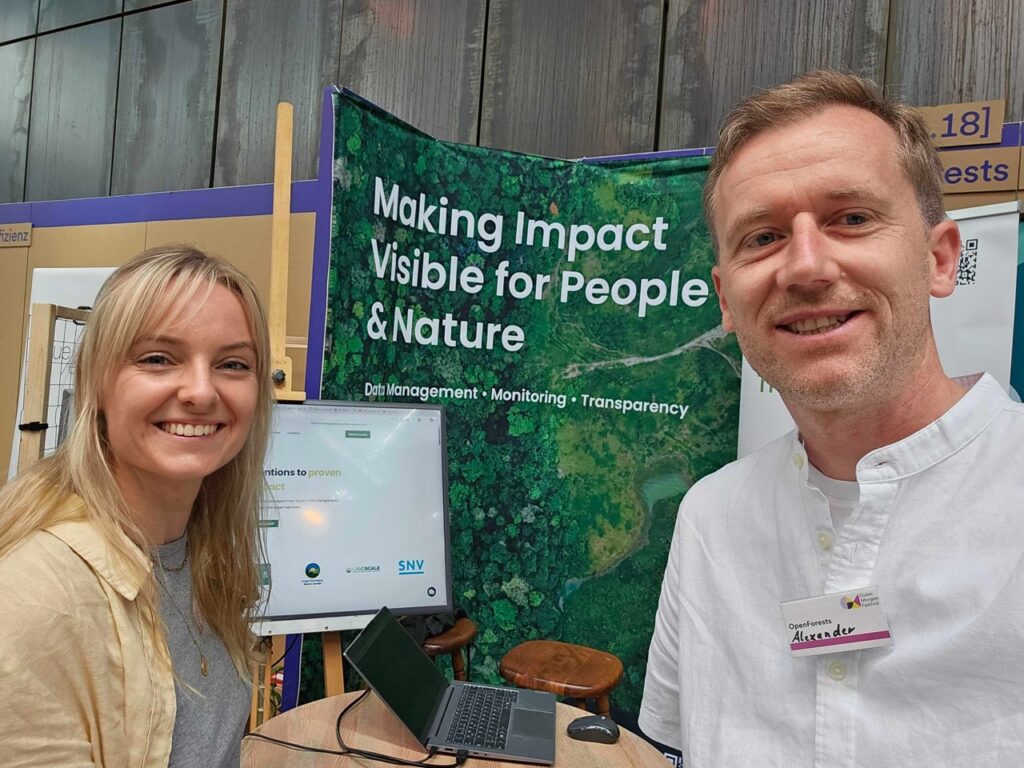
We left Bochum inspired by the people we met, the questions they asked, and the shared commitment to shaping a greener and more transparent future.
A big thank you to everyone who stopped by, shared their ideas, and joined the conversation with us.
Let’s keep making nature impact visible — for people, for funders, and for the landscapes that need long-term support.
About OpenForests
OpenForests helps nature-based projects, organisations, and funders make their work visible through transparent mapping, impact monitoring, and digital reporting tools.
Our work combines geospatial technology, field data, storytelling, and custom digital solutions to support better communication, stronger accountability, and more informed decision-making for nature conservation and restoration.
Want to make your nature project more transparent?
Explore how OpenForests can help you map, monitor, and communicate your impact.