Key Highlights
- Human-wildlife conflict happens when wild animals threaten people’s safety, property, or livelihood, and people respond in ways that threaten the animals back.
- It’s intensifying worldwide: conflict-related killing now affects more than 75% of the world’s wild cat species, along with elephants, polar bears, and other iconic wildlife.
- The cost both for human and wildlife is high and multifaceted.
- No single fix works alone. Compensation schemes, monitoring tools like explorer.land, and habitat restoration led by OpenForests all play a role in reducing conflict before it escalates.
Elephants raiding crops in Assam. Wolves killing sheep in the French Alps. Leopards wandering into suburbs outside Mumbai. These incidents aren’t isolated. They’re symptoms of a fast-growing global pattern called human-wildlife conflict. As habitats shrink and human development pushes further into wild spaces, people and animals are crossing paths more often, and the stakes are high on both sides: livelihoods, safety, and, in many cases, the survival of entire species.
It’s a growing, global tension between the survival needs of wild animals and the survival needs of the people who share their land. Understanding why it happens, and what genuinely reduces it, is the first step toward a future where coexistence isn’t the exception, but the norm.
What is human-wildlife conflict, and why are we hearing about it more?
A simple definition
At its core, human-wildlife conflict describes situations where wild animals threaten people’s safety, food supply, or livelihood, and where people, in turn, threaten the animals. The International Union for Conservation of Nature (IUCN) frames it more precisely: it’s the struggle that emerges when wildlife’s presence or behavior poses a real or perceived, direct and recurring threat to human needs, which then triggers disagreements among people themselves about how to respond.1
Why do we call it “human-wildlife conflict”?
It is worth looking at the word “conflict” itself. The idea that people and wildlife belong in separate spaces is not universal. In Europe, this separation was reinforced over centuries by thinkers who drew a strong line between humans, civilisation and the natural world. Descartes, for example, described animals in largely mechanical terms, while Buffon saw nature as something humans could cultivate, improve and control.
This helped create a simple mental divide: people on one side, wildlife on the other. But human-wildlife relationships are more complex than that. In many landscapes, people and wild animals have lived alongside one another for generations.
Conservation science is increasingly questioning the way we talk about human-wildlife conflict. Framing interactions primarily as conflict can make wildlife appear to be the problem and overlook the many examples of human-wildlife coexistence. A review of 250 scientific papers found that 71% focused on human-wildlife conflict, while only 2% focused on coexistence.
The term human-wildlife conflict remains widely used, and we use it throughout this article too. But it is worth remembering that conflict is only one part of the relationship between people and wildlife.
Not just an animal problem: a human one too
It’s tempting to picture human-wildlife conflict as wildlife causing trouble. And actually, media coverage tends to frame these stories around the animal: the elephant, the wolf, the shark In reality, the pressure runs both ways. A farmer whose entire harvest is destroyed by a herd of elephants faces real hunger and real debt. A fisherman whose nets are torn apart by seals loses income he can’t easily replace. These aren’t abstract inconveniences; for many rural and low-income communities, they’re threats to basic survival.
That’s why organizations working on this issue increasingly describe human-wildlife conflict as a humanitarian and development concern, not just a conservation one2. When we only talk about protecting species, we miss half the story: the people whose lives are also on the line.
Human-Wildlife Conflict vs. Human-Animal Conflict: is there a difference?
You’ll see the terms “human-wildlife conflict” and “human and animal conflict” used almost interchangeably online, and functionally, they usually refer to the same phenomenon. The more precise term, human-wildlife conflict, is preferred by conservation scientists because it specifies wild animals, distinguishing these situations from conflicts involving domestic or feral animals, which involve different legal and ecological considerations. If you’re researching solutions, sticking with the precise terminology will get you to more rigorous, science-backed sources.
What are the root causes of Human-Wildlife Conflict?
Human-wildlife conflict causes rarely stand alone. They compound each other, and nearly all trace back to one root reality: wildlife is running out of space to exist in.
Shrinking and fragmented habitats
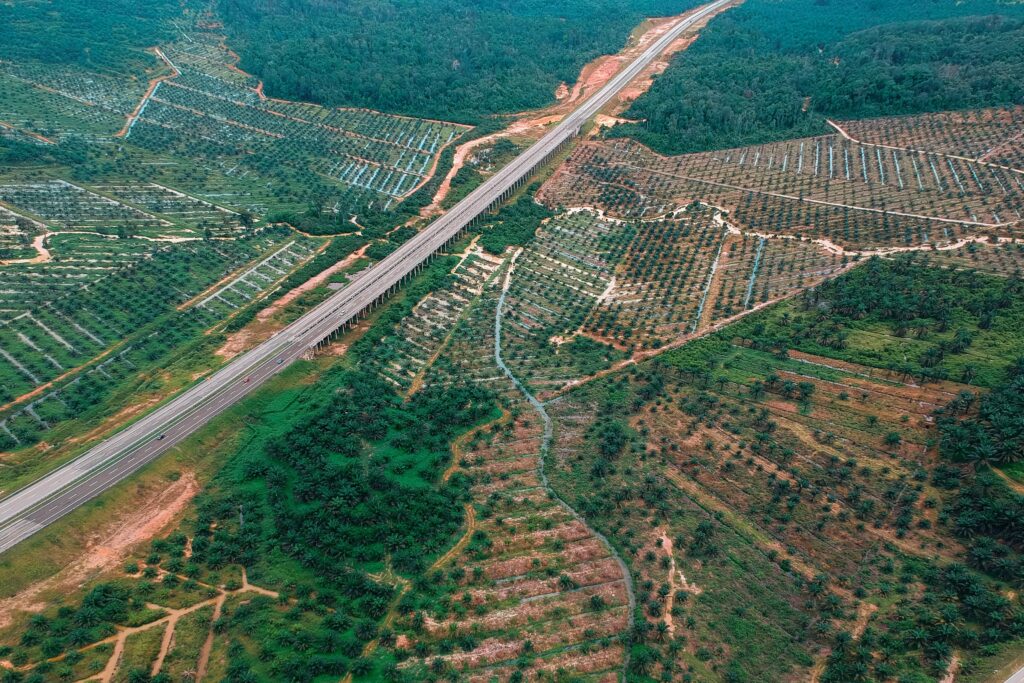
Roads, railways, dams, and power lines don’t just take up space: they cut wild habitats into disconnected fragments. Animals that once roamed freely across large territories now find their migratory routes interrupted, losing the ability to move safely between feeding and breeding grounds. They are forced into closer, more frequent contact with farms and settlements. Deforestation for logging or mining compounds this, degrading the land wildlife depends on and forcing displaced animals into whatever space remains, which is often space people are using.3
Land-use and agricultural pressure
As global demand for food and commodities rises, more forest and grassland gets converted into cropland and pasture. When that expansion happens without planning for wildlife movement, farms end up sitting directly on migration corridors or feeding grounds. The result is predictable: animals follow food, and food increasingly means crops and livestock rather than wild forage.4
Climate change and shifting ecosystems
Prolonged droughts, heatwaves, and erratic rainfall are pushing animals to travel farther and more unpredictably in search of water and food. As natural water and food sources become unreliable, wildlife shifts toward human-managed resources: irrigation systems, reservoirs, and livestock troughs, bringing them straight into human settlements. Climate change doesn’t cause conflict on its own, but it intensifies nearly every existing driver.5
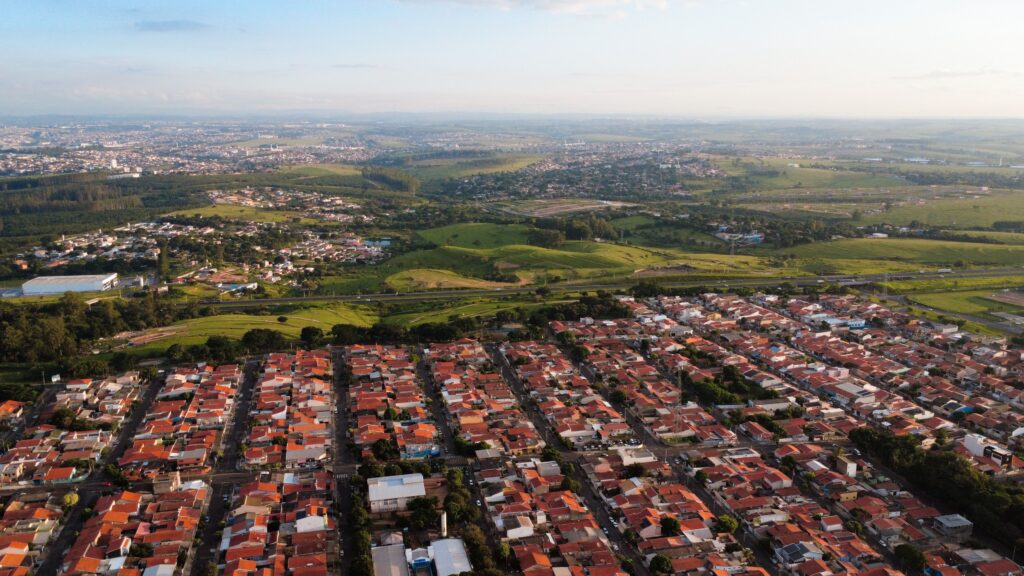
Population growth and urban sprawl
Expanding populations means more housing, infrastructure, and farmland, pressing into what used to be wild territory. In some cases, successful conservation is part of the story too: growing wildlife populations, recovering thanks to protection efforts, now need more room than fragmented, shrinking landscapes can offer. Coexistence starts to look less like a variable and more like an equation with many things pulling on both sides.6
What are some real examples of Human-Wildlife Conflict?
Numbers and definitions only tell part of the story. Here’s what this looks like on the ground.
Elephants and crop raiding (Africa, Asia)
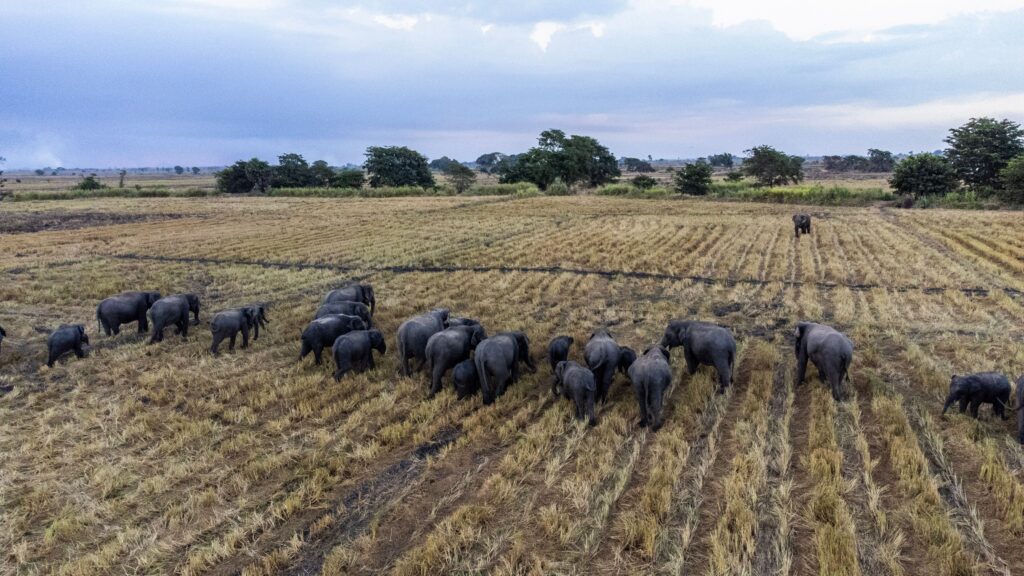
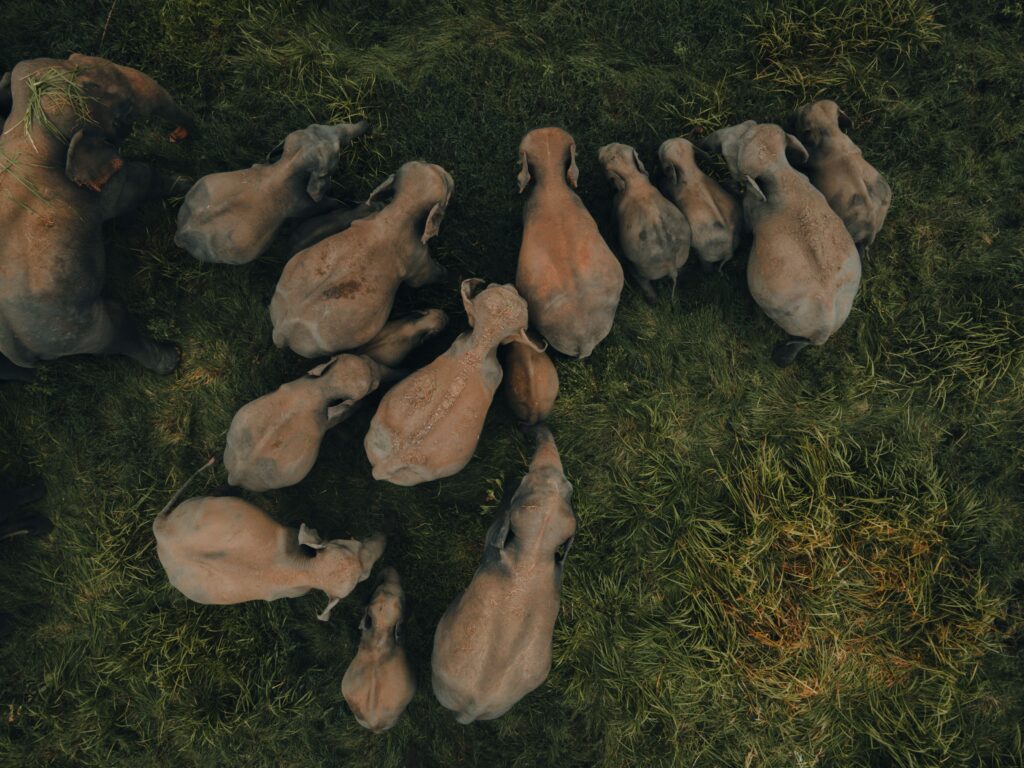
Across Sub-Saharan Africa and South and Southeast Asia, elephants are drawn into farmland by crops that are, quite simply, easier to reach and more nutritious than what remains in fragmented forests. A single night of foraging can wipe out a family’s entire seasonal income. In regions like Assam, India, and the Okavango Panhandle in Botswana, this has become one of the most visible and economically damaging forms of human-wildlife conflict on the planet.7
Learn about Wild Survivors’ conservation and wildlife corridor project, which aims to mitigate the human-wildlife conflict in Tanzania: https://explorer.land/x/project/ws-ec-ngorongoro
Wolves and livestock (Europe, North America)
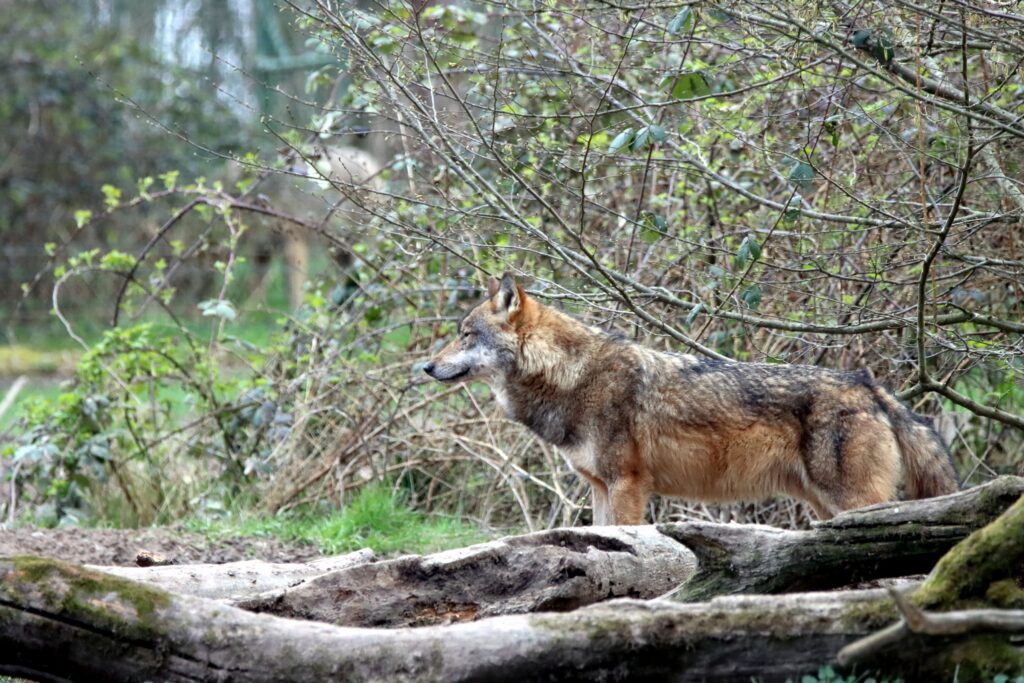
As wolf populations recover across parts of Europe and North America, a genuine conservation success story, they’re increasingly crossing paths with grazing livestock. Sheep and cattle losses fuel deep frustration among herders, some of whom have farmed the same land for generations without ever having to think about predators. The result is a strange paradox: the more successful the conservation effort, the sharper the tension it can create.8
Urban wildlife encounters
Conflict doesn’t only happen in remote landscapes. Wild boar rummaging through European city suburbs, foxes denning under garden sheds, bears rummaging through trash cans in Canada, leopards slipping into the edges of Indian cities: as urban sprawl blurs the boundary between wild and built environments, encounters that once felt exotic are becoming a routine part of city life.9
You can find out about other projects working on mitigating human animal conflict such as Greater Kruger SDP Landscape or Protecting and connecting Thailand’s forest landscapes by WWF on explorer.land What are the consequences of Human-Wildlife Conflict?
What are the consequences of Human-Wildlife Conflict?
For Wildlife: Retaliation and Population Decline
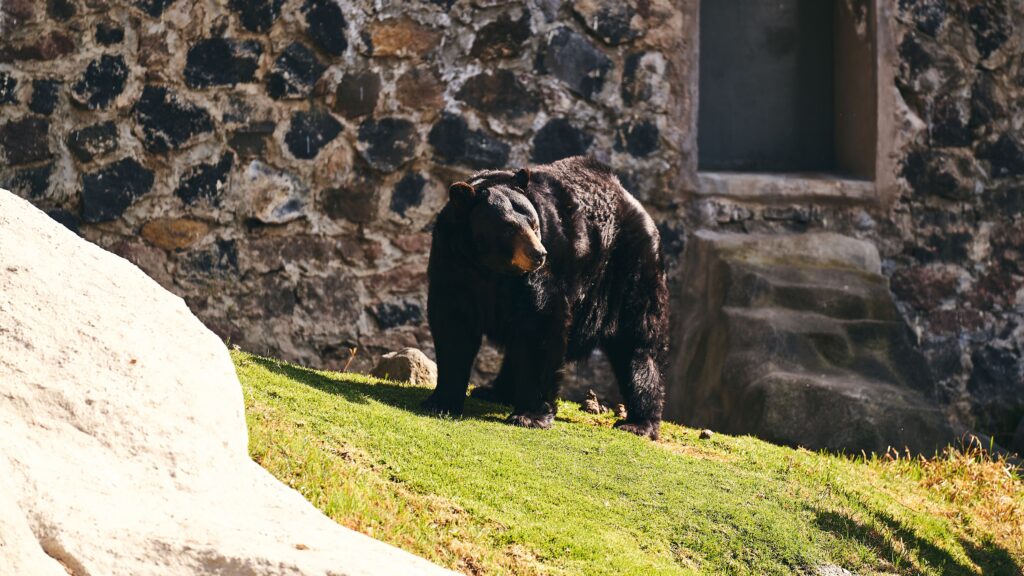
When a predator kills livestock or an elephant destroys crops, the instinctive human response is often retaliation. Animals get killed in self-defense or revenge, sometimes illegally, sometimes with tacit community approval. For species already under pressure from habitat loss, retaliatory killing can be the tipping point between decline and local extinction. Every species removed from an ecosystem leaves a gap that ripples outward, affecting everything from vegetation to other animal populations.10
For people: livelihoods, safety, food security
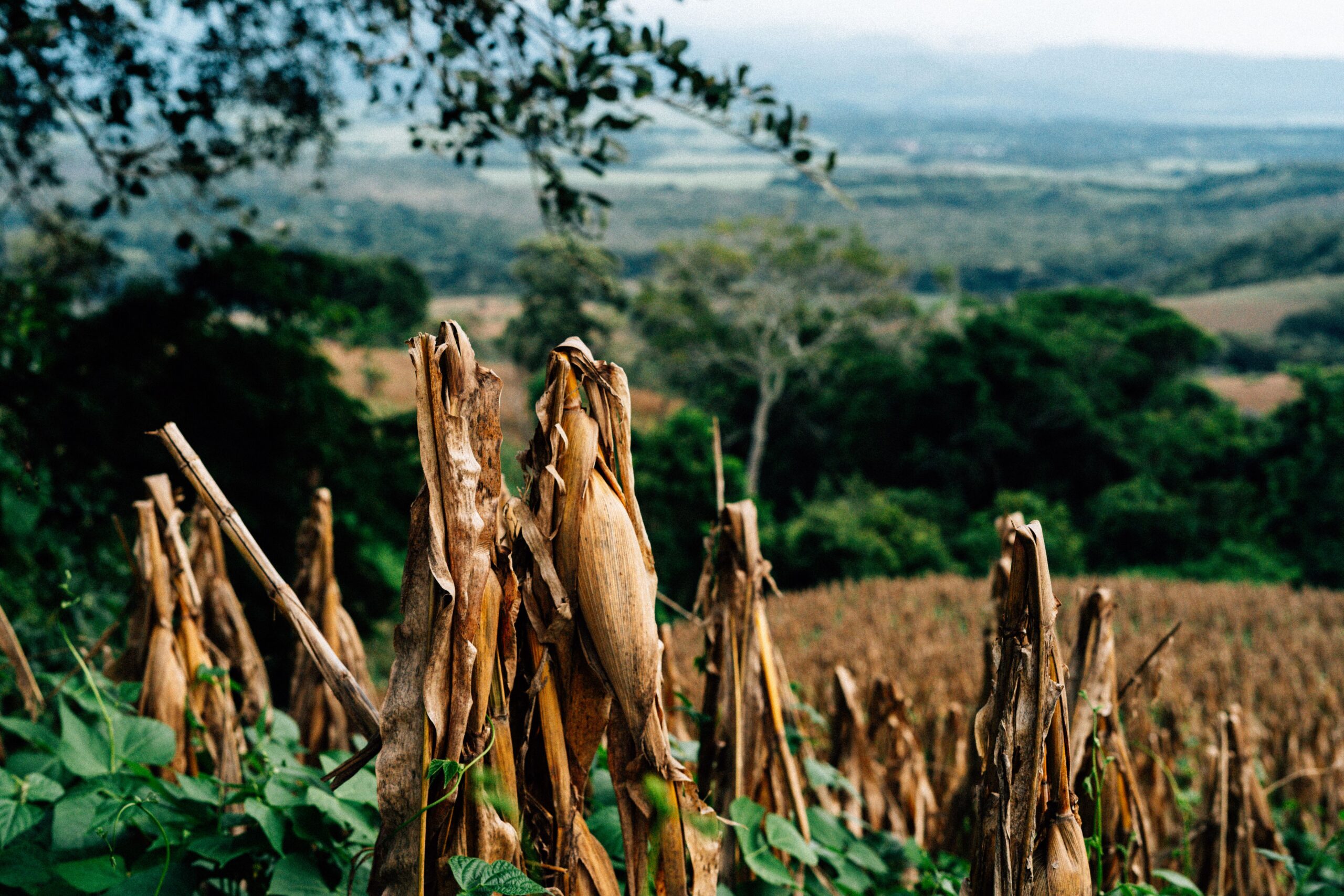
The human cost of human-wildlife conflict extends well beyond a single bad harvest. Communities lose crops, livestock, and sometimes lives.
- Direct losses: destroyed crops, injured or killed livestock, damaged infrastructure
- Safety risks: injury or death in direct encounters, disproportionately affecting subsistence farmers
- Economic strain: disrupted agricultural supply chains with knock-on effects for regional and even global markets
- Social costs: disputes between neighbors and communities over how conflicts should be managed, and psychological strain in households directly affected
These impacts fall hardest on communities already below the poverty line, making human-wildlife conflict as much an equity issue as an ecological one.11
How can we mitigate human-wildlife conflict?
Effective human-wildlife conflict solutions rarely rely on a single tactic. The strongest programs combine physical intervention, community engagement, and long-term habitat strategy.
.Corridors, barriers, and early-warning systems
Practical, on-the-ground tools remain essential first lines of defense:
- Wildlife corridors that reconnect fragmented habitats, giving animals safe paths that bypass farmland and settlements
- Physical barriers like electric fencing, trenches, or beehive fences (notably effective against elephants)
- Early-warning systems, including motion-sensor lights and camera traps, that alert communities and give them time to react before contact occurs
- Non-lethal repellents such as chili-based deterrents or noise devices that redirect animals without harming them12
Community-based and policy solutions
Fences and alarms only go so far without the people who live alongside wildlife being genuinely involved. The most durable programs share a few traits:
- Compensation or insurance schemes that ease the financial blow of crop and livestock loss
- Local land-use planning that keeps new development out of critical wildlife corridors
- National policy frameworks that formally prioritize human-wildlife conflict management, as seen in India and several Southern African nations
- Alternative livelihoods, like wildlife-based tourism, that turn coexistence into an economic benefit rather than a cost13
Monitoring land and wildlife at scale
Nothing above works well without accurate, ongoing data. Knowing where animals move, where habitat is degrading, and where conflict hotspots are likely to emerge before they do is what separates a reactive program from a preventive one. This is where digital conservation tools are changing the game.
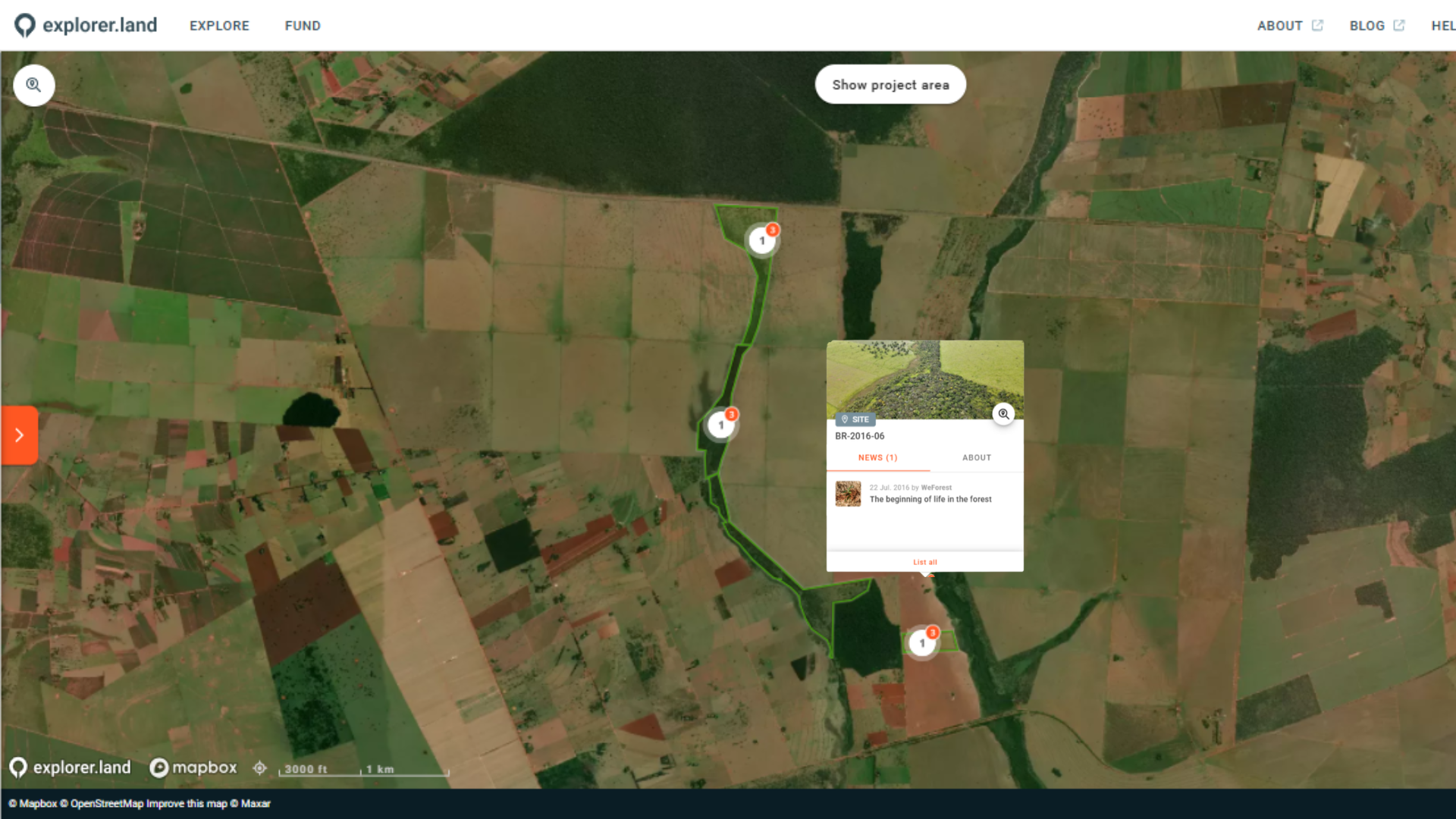
Platforms like explorer.land allow conservationists, landowners, and local communities to map, monitor, and monitor land and wildlife activity at scale, turning scattered field observations into usable intelligence..
Restoring the habitat itself is equally critical. Rewilding initiatives, like those openforests works with, work to rebuild the degraded and fragmented ecosystems that push animals into conflict in the first place. Fewer fragmented landscapes means fewer reasons for wildlife to cross into human territory to begin with.
The path forward is coexistence, not control
Human-wildlife conflict will likely never disappear entirely. As long as people and wildlife share a finite planet, some friction is inevitable. But “inevitable” doesn’t mean “unmanageable.” The evidence from Namibia’s wildlife corridors, Peru’s regenerative ranching programs 12, and Botswana’s land-use planning all point to the same conclusion: where communities are included early, where habitat is actively restored rather than merely fenced off, and where decisions are backed by real data instead of guesswork, coexistence becomes not just possible, but genuinely beneficial for both sides.
Ready to support that outcome?
See how explorer.land is helping track vulnerable ecosystems and wildlife corridors worldwide, and explore the active rewilding projects accompanied by openforests. Every hectare restored and every corridor monitored moves us one step closer to lasting coexistence.
Footnotes
- UNDRR, Human-Wildlife Conflict (BI0604), Hazard Information Profile (2023) — definition of human-wildlife conflict as struggles arising from an actual or perceived, direct and recurring threat posed by wildlife, leading to disagreements between groups of people. https://www.undrr.org/understanding-disaster-risk/terminology/hips/bi0604 ↩︎
- WWF and UN Environment Programme, A Future for All: The Need for Human-Wildlife Coexistence (2021), as reported by UNEP — on human-wildlife conflict as a development and humanitarian concern as much as a conservation challenge. https://www.unep.org/news-and-stories/press-release/human-wildlife-conflict-one-greatest-threats-wildlife-species-wwf ↩︎
- UNDRR, op. cit. — on the expansion of agricultural and industrial activities, including infrastructure development, as drivers intensifying human-wildlife conflict in recent decades. https://www.undrr.org/understanding-disaster-risk/terminology/hips/bi0604 ↩︎
- UNDRR, op. cit. — on the expansion of agricultural activities as a driver of human-wildlife conflict. https://www.undrr.org/understanding-disaster-risk/terminology/hips/bi0604ral practices as a driver of human-wildlife conflict. https://www.worldwildlife.org/our-work/wildlife/wildlife-crime/human-wildlife-conflict/ ↩︎
- IUCN, op. cit. — on climate change as a driver of human-wildlife conflict; UNDRR, Human-Wildlife Conflict (BI0604), citing FAO (2023b) on climate change exacerbating competition for water and habitat. https://iucn.org/resources/issues-brief/human-wildlife-conflict ; https://www.undrr.org/understanding-disaster-risk/terminology/hips/bi0604 ↩︎
- UNDRR, op. cit. — on human population growth as a driver of intensifying human-wildlife conflict in recent decades. https://www.undrr.org/understanding-disaster-risk/terminology/hips/bi0604wildlife/wildlife-crime/human-wildlife-conflict/ ↩︎
- World Wildlife Fund, op. cit. — case studies on elephant-related conflict in the Okavango Panhandle, Botswana (KAZA region) and the Terai Arc Landscape / Corbett Tiger Reserve, India. https://www.worldwildlife.org/our-work/wildlife/wildlife-crime/human-wildlife-conflict/ ↩︎
- IUCN, op. cit. — on wolves, bears, and other large carnivores recovering across Europe and the resulting tensions; UNDRR, op. cit. — on deeply polarized conflict over wolf management in parts of North America. https://iucn.org/resources/issues-brief/human-wildlife-conflict ; https://www.undrr.org/understanding-disaster-risk/terminology/hips/bi0604 ↩︎
- UNDRR, op. cit. — on the presence of species such as red fox and wild boar in urban environments as a growing driver of conflict. https://www.undrr.org/understanding-disaster-risk/terminology/hips/bi0604 ↩︎
- World Wildlife Fund, op. cit. — on retaliatory killings and decline of wildlife populations; UNDRR, op. cit., citing Mozer & Prost (2023) on the impact of culling on wild animal populations. https://www.worldwildlife.org/our-work/wildlife/wildlife-crime/human-wildlife-conflict/ ; Mozer, A., Prost, S. (2023). An introduction to illegal wildlife trade and its effects on biodiversity and society, Forensic Science International: Animals and Environments, 3, 100064. https://doi.org/10.1016/j.fsiae.2023.100064 ↩︎
- UNDRR, op. cit., citing FAO (2023a) on consequences including crop destruction, livestock predation, injury and death, infrastructure damage, and disease transmission risk; World Wildlife Fund, op. cit. — on pressures on the global supply chain and Sustainable Development Goals. https://www.undrr.org/understanding-disaster-risk/terminology/hips/bi0604 ; https://www.worldwildlife.org/our-work/wildlife/wildlife-crime/human-wildlife-conflict/ ↩︎
- WWF, Human-Wildlife Coexistence Report (2021) — on fencing, walls, and rapid-response teams reducing livestock predation around Chitwan National Park, Nepal; IUCN, op. cit. — on barriers, guarding, early-warning systems, deterrents, and translocation as conflict-reduction measures. https://www.wwf.org.uk/press-release/human-wildlife-coexistence-report ; https://www.hwctf.org/ ↩︎
- World Bank Global Wildlife Program, op. cit. — on government compensation-claims systems, such as Kenya’s, and national biodiversity strategy analysis across countries; WWF, Human-Wildlife Coexistence Report (2021) — on compensation schemes for communities living alongside tigers around Chitwan National Park, Nepal; IUCN, op. cit. — on the recognition of human-wildlife conflict management within the UN Convention on Biological Diversity’s post-2020 global biodiversity framework. https://www.worldbank.org/en/programs/global-wildlife-program/brief/human-wildlife-conflict-global-policy-and-perception-insights ; https://www.wwf.org.uk/press-release/human-wildlife-coexistence-report ; https://www.hwctf.org/ ↩︎